Surfing Deep in the Heart of Texas at NLand Surf Park

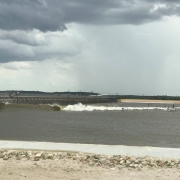
Just outside of Austin, Texas, sits a giant pool, as large as approximately nine football fields, that is literally a perfect wave machine. Not to be confused with our jargon-ish “inlander” term—NLand Surf Park is the closest any central Texan will get to learning how to surf without paying lofty vacation package prices.

Make an expensive-ass reservation, drive to the boonies, park, sign your life away (waiver), watch the do’s and don’ts video, strap on a ton of wristbands, and pick your stick–if you’re renting.
Pretty sure I wasn’t going to Schlitterbahn…
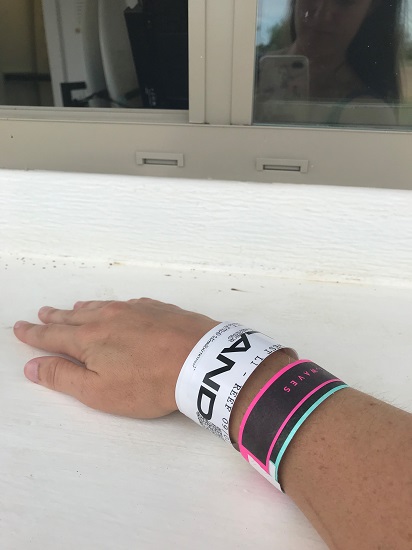
...Schlitterbahn??

…Schlitterbahn??

Visitors have three different wave options, depending on experience level:
1. The Bay
2. The Inside
3. The Reef

If you are learning how to surf, The Bay and a soft top board are your best bets.

If you’re feeling a little more confident and want a step up from the whitewash, The Inside and a soft top board or a longer standard board are good choices for you.

If you are confident in your surfing skills, know how to pop up, drop in and cruise (and want those thighs to burn), The Reef (& the rest of the NLand quiver) are your digs.

Between the serious Texas heat, humidity and thunderstorms popping up on the flat horizon, the water temperature is a balmy 85 degrees and incredibly murky and brown. Think Nicaragua or Costa Rica.

So, absolutely no wetsuit, spring suit or even rashie required.

And to state the obvious: no need to worry about sharks or crocs, this water is fresh, which makes it a bit denser than our beloved ocean water.

Although the park offers a pretty decent quiver, which includes Channel Islands, Russell, Timmy Patterson, etc… if you are very insistent on bringing your own board, bring your floatiest and fattest. In fact, you know that one epoxy board that you got because it was trendy at the time and it’s now collecting dust in the back of your garage because it floats you too much at your local spot?
This is its time to shine.
Dust that puppy off and tote it to kicker country, if your heart so desires.

Channel Islands/Al Merrick's 5'8" epoxy flyer.

My ride: Channel Islands 5’8″ epoxy flyer.

But, it will cost ya a chunk of change and it’s probably not worth the board bag fee since, well, this is one of the ONLY worthwhile “breaks” around for hundreds of miles, unless you plan to skip off to Central America, OR you have solely dedicated a “surf” trip to Austin–said no one ever.

I was a little nervous to leave my surf fate up to the park’s quiver, but I found their 5’8” epoxy Channel Islands Flyer worked perfectly.

Now for the wave—it’s interesting.
The wave is based on a blade-shaped technology called the wavefoil, which hurtles at a specific speed from one end of the lagoon to the other underneath a “pier” lined by a chain link fence to create a wave that adjusts to the pool bottom’s customized bathymetry, or the water’s depth. When I asked for specific wave heights, the park staff said “8 feet” for the reef, buuut–I think it was more like 6 feet.

Before I even entered the water, the very kind staff reiterated multiple rules, which made smoke come out of my ears.


Can’t I just paddle out and figure it out?

Nope. They said if anything, remember this:
“Paddle out” right by the chain link fence, drop in at a 45 degree angle and make sure you drop in as close to the fence as possible.

Okaaaaay. So, no duck diving?

Nope.

K.

I’m not sure if it was my unusual two cups of coffee or all the rules that were unloaded into my brain, but suddenly, I was nervous. This ain’t the ocean, I’m not paddling out to Trestles. I’m going to ride a man-made wave, how the hell am I more nervous about a man-made wave?! Surely, any break in California would greatly disagree with my odd jitters.
I mean, the reef breaks bigger than what I usually prefer, but, as my grandma always said, que sera sera.
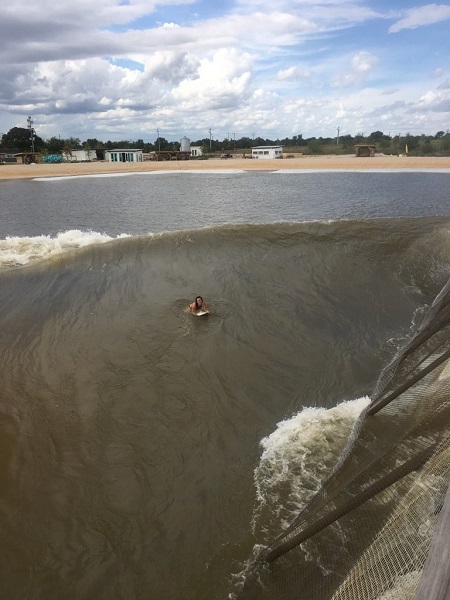
No duck diving required, no sharks or crocs spotted.

No duck diving required, no sharks or crocs spotted.

After paddling out, I sat by the marker on the far end of the “pier” for the left-breaking “west reef” wave. Man, why’d I choose backside?!
Suddenly a small roar sounded about 50 feet behind me and the wave appeared out of nowhere. I paddled a few strokes and popped up. Rode it a little bit before I lost the face and succumbed to the whitewash.
Okay cool. I guess I can do this, I thought. I got a few tips from the helpful lifeguards and paddled next to the chain link fence towards the right.
Once the wave jumped into view, I took off and trimmed immediately to the right, where I successfully stayed on the face and rode the wave all the way to the “inside,” kicking out with a boost of air and a canon ball, thighs shaking from the ride.

Yelling out “yew” seemed odd, and so did “yeehaw,” so I settled for “owww!” And paddled back out for another…

Conclusions:

A man-made surf experience helped me appreciate the small things about ocean surfing. Unlike the ‘au naturale,’ wave parks are scheduled/predictable, there’s no aquatic wildlife to observe, the water is, well, warm but ugly, every wave breaks perfectly, and I’m sure if you would consider anyone as a “local…” Maybe the lifeguards?? I certainly didn’t see any 10-gallon hats bobbing around the oddly shaped ‘lineup.’

Even tho this wasn’t ocean surfing, I definitely felt like I was in a better mood once I was done. But that better mood cost me about $200 for two hours.

After leaving high school and Austin for college in California, I once told my friends that if Austin ever builds a wave pool, I will move back. While I’m not exactly eating crow, I did consider it for a New York minute as I do have a soft spot for Texas. But! Living and “surfing” in Austin would be incredibly unsustainable for the amount of time I would need per week. At minimum-with NLand’s pricing, I would require at least two hours for two days on the weekends, which would come to $400 per week, that’s $1,600 a month to surf…hmmm that smells like California rent prices.
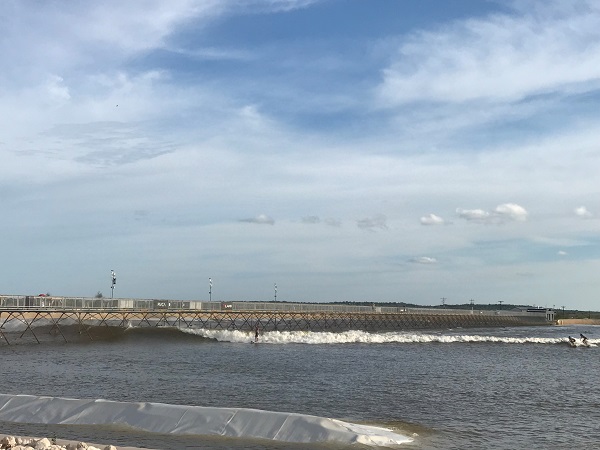
Who can complain about consistent thigh burners? Just bring down the price tag and perhaps I'll return to being an 'Austinite.'

Who can complain about consistent thigh burners? Just bring down the price tag and perhaps I’ll return to being an ‘Austinite.’

Not to mention I would sorely miss the ocean in general and become incredibly bored with the predictability of the same wave day after day, session after expensive-ass session.

Although it’s fun to feel my thighs burn (baby!) and encourage beginner folks to go for the ‘Reef’ wave, I know that for the same $400 or less, I could pop over to Baja and find something similar–cold water temp and possibly sharky, but similar.

Sorry Austinites, breathe a sigh of relief because this California transplant is staying on the west coast.
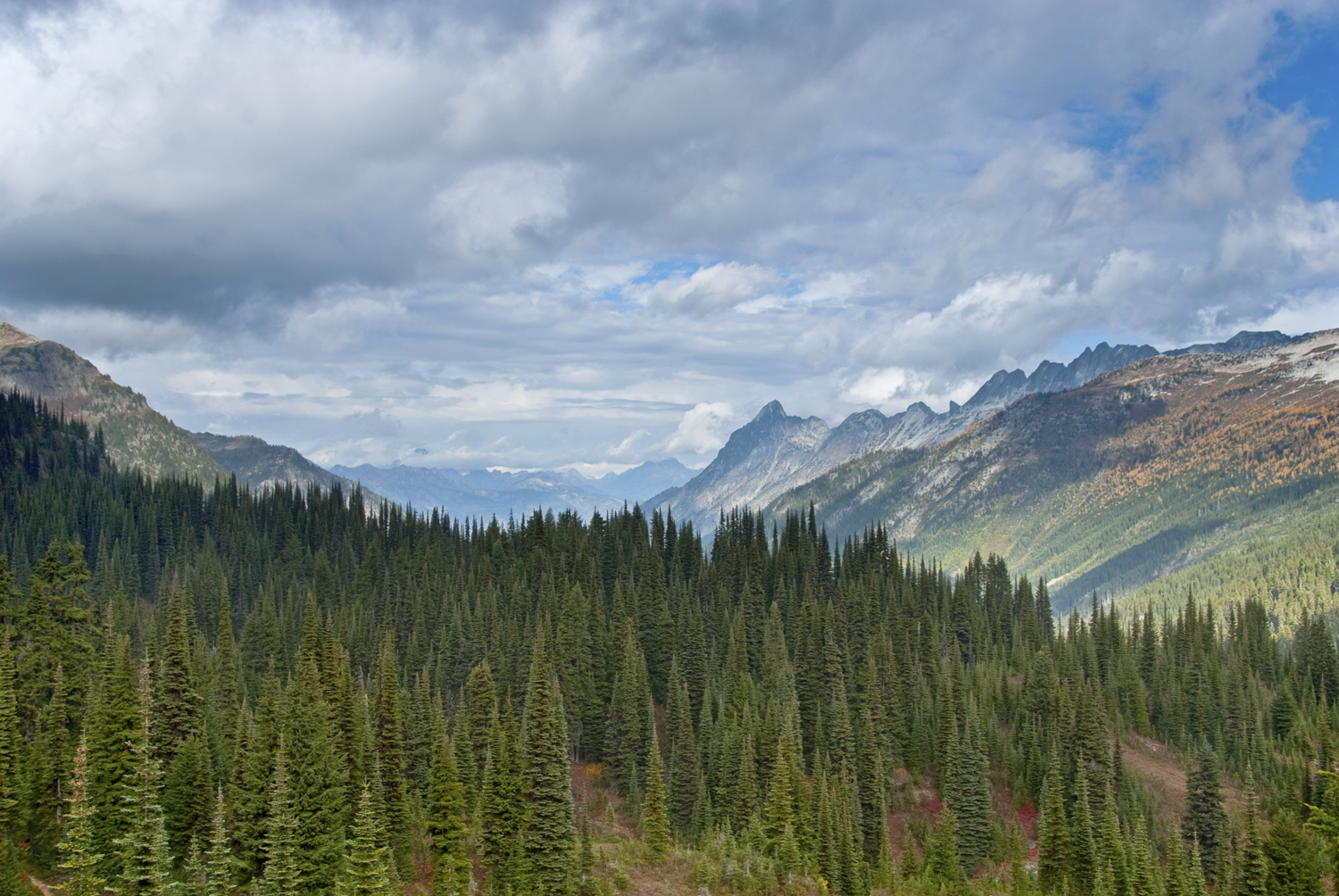
A Journey on the Pacific Crest Trail with Sean Jansen

Sean Jansen is a rare human being who delights in the most amazing and intimidating of experiences. From driving solo to the further outreaches of desolate Baja coastlines to braving Northern California’s frigid large surf, to taking off for years on end to travel the world, he’s always got an adventure up his sleeve–which is why I didn’t flinch when he told me about trekking the ENTIRE  Pacific Crest Trail.

Born and raised in San Clemente, California, Jansen grew up surfing San Clemente’s wide variety of waves and absorbing the beach culture lifestyle. He currently enjoys chilly surf breaks, incredible nature preserves and a solid Eel River IPA about 950 miles north of his hometown in Humboldt county. Since a Lower Trestles session in 2010, he’s been a good friend of mine and has continually motivated me to surf harder, go outside of the proverbial orange bubble and enjoy nature.

According to the Pacific Crest Trail Association, this infamous PCT stretches 2,650.10 miles from Mexico to Canada. PCT spans across mountain ranges, valleys, deeps forests and deserts–a photog’s dream for pictures a-la National Geographic.

To no surprise, Jansen hiked 131.06 miles beyond the calculated amount: 2,781.16 miles.

I recently caught up with Jansen about his hiking journey of epic proportions:

1.) What made you want to hike the entire PCT?

It was kind of like a culmination of a bunch of things.

I was living with my parents in Montana and was working construction saving every single penny. Within three months, I had saved several thousand dollars saved and had the option to go travel again, but I was kind of bored of traveling, as weird as that sounds. I wanted to do something different. A friend posted on Facebook that he was going to hike the PCT and that kind of re-invigorated my desire to want to hike.

I think it was just going to be an awesome thing that would further push my career to a higher level as a photographer and journalist. I can only imagine the images I would be able to capture if I were to be in nature every single day while experiencing the beauty the Lord has blessed us with on this planet. I think that’s the number one reason—just to get away from everything and go experience nature out there beyond highways, beyond jet planes–beauty that your own two feet can show you.

It’s your own will power to see the beauty that I’ve seen and that’s probably the number one reason.


2.) How did you mentally and physically prepare for this journey?

Mental preparation was really bad, I didn’t mentally prepare at all. My cousin decided to give us a ride to the southern terminus, which was only a 2 hour drive from San Clemente. My friend was getting all giddy in the car saying “Can you believe we’re about to do this?” and I’m just like “No, not really.”

It’s not that I wasn’t excited, I just wasn’t overwhelmed by the emotions of 90 percent of the people. It wasn’t until I woke up one morning on the trail and was like “Holy crap, this is actually happening.” And after I hiked the first 10-100 miles, that’s when it was really setting in. I  was realizing that I’m really out there and really doing this to see what I can really do.

The whole purpose of the trail was for me to learn every ounce I could learn about myself and the trail.  The mental and physical preparation was all a giant learning process. I would never change it to this day.


3.) What were some challenges you faced? Biggest challenge?

Every day was a challenge, mentally and physically. The trail was a challenge, because it changes every single day. You go from the desert, to the mountains, back to the desert, through snow, rain and wind.

You have to face challenges with other hikers–whether you accidentally fall in love with someone within the first week and you broke up with them and you have to keep seeing them. There were challenges dealing with friends that you got to know really well, but they decided they wanted to hike faster and took off and you never saw them again.

In every way you can think, there was a challenge. I kept saying the number one word of the trail was “change.” Everything about the trail and you changes with every step you take. You change personally, physically and the trail changes–so I can’t really pinpoint a challenge.

As photographer, I had to take off my backpack, pull out my camera (which weighed a couple of extra pounds), and put the camera back in the bag while everyone walks on. The photography aspect was my biggest challenge because:

1.) You’re carrying more weight and     2.) You have to get really creative. ……It’s exhausting, but it was worth it.


4.) Any close encounters with wildlife?
Yes absolutely—but I was never nervous or uncomfortable. You would hear stories about people who would have terrible encounters with wildlife—where they got charged at by a bear, for example.

In Oregon, well past dark, we always sleep with food inside of our tent. I literally had a bear scratching at my tent where my friend would’ve been. The next morning, there was fresh bear scat around my entire tent.

In Oregon and Washington, we would always hear Elk bugles ferociously close. That was probably the scariest of what we came across on the whole trail because once we got to Oregon and Washington, it was during their mating season and they’re notoriously territorial and aggressive.


5.) What supplies were you carrying along the way?

Beyond the fact that I’m a photographer and a fly-fisherman—I had a 65 liter backpack, which was overkill. It was way too big, which was a little surprising for what people think. One of my biggest concerns, before I started the trail, was where I was going to get water every day. So what you find out on the trail, was at least once a week, sometimes a little longer, you would get a re-supply of food because you would come across a highway or town.

In a typical backpack, you would carry food, tent, sleeping bag, sleeping pad, clothing, a lighter, cooking gear among other stuff.  The average pack weighed without food or water was about 20 pounds. Some of us even carried solar panels on our backpacks to charge our gear. I had my camera gear and two batteries, one lens, a couple of filters and a tripod, which was an additional 7 pounds.

At my heaviest point, which was in the desert section where I carried 8 liters of water, my pack weight about 70 pounds. But as I drank water and ate food, my pack became lighter each day. Everyone else was in the 45-50 pound range.


6.) Any special secret spots you can talk about?

In the big bear area, there was this section of trail called the Deep Creek and a lot of us liked this because there was a hot spring. I followed a day hiker to a cliff jump spot, which was 200 yards off trail and I just ended up spending a day and a half there doing nothing but cliff jumping in 90 degree heat.

There was also lake with a waterfall along the John Muir trail section of the PCT that looked it was in either Tahiti or New Zealand—like it didn’t belong in California.


7.) What was your most memorable moment?

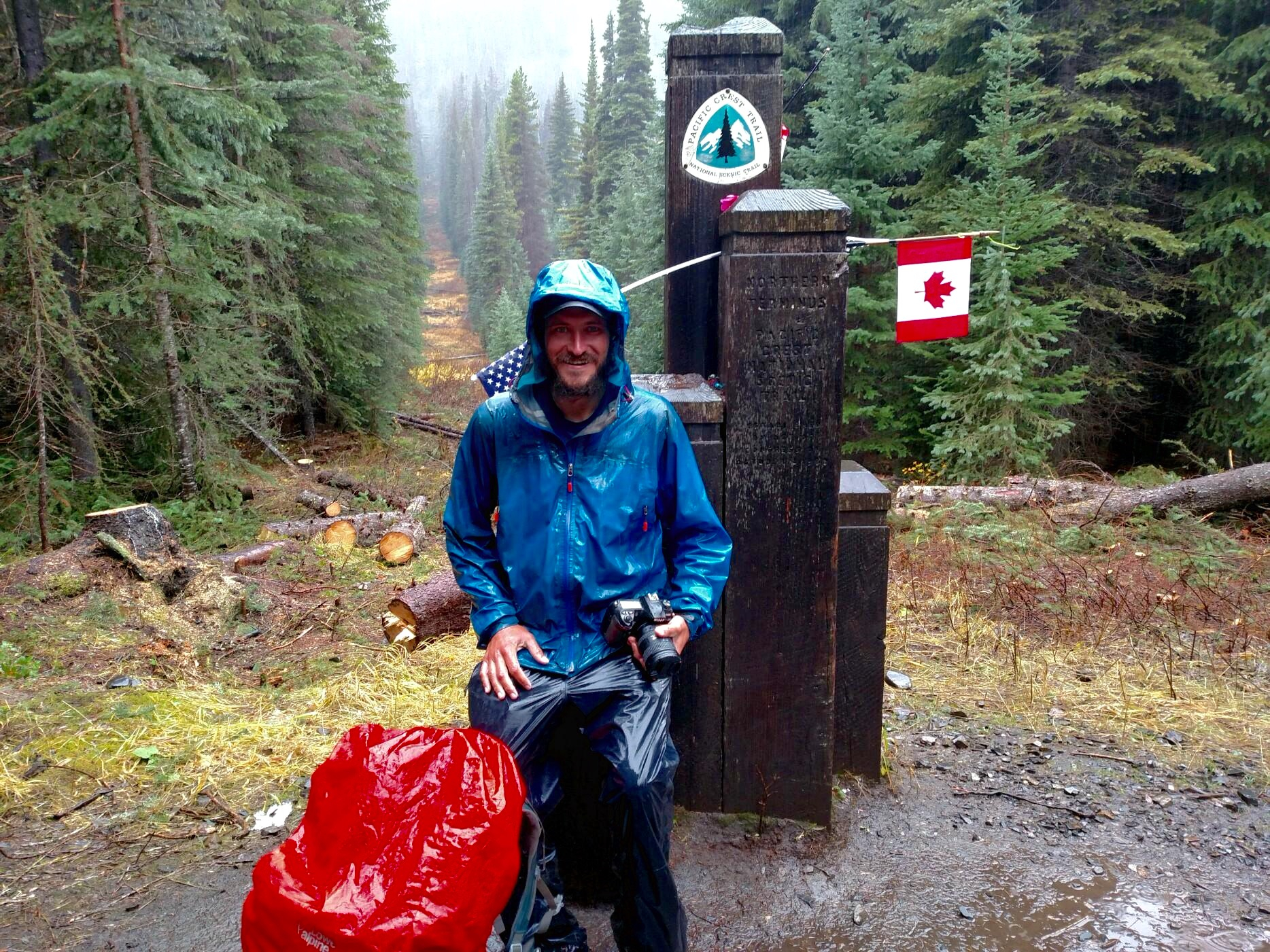
Of course, when you walk towards that northern terminus, seeing the border of Canada after hiking for 180 days straight—that is something I will never ever forget along with the people I did it with. I will never forget that.

It’s really just the small moments that create a giant memory. It changes your life, I get emotional thinking about it. There are so many small memories that create this giant pandemonium moment.


8.) How did your feet feel at the end of the journey?

As far as feet goes, the beginning section was rough because of the blisters and the new stage your feet are going to get into, then towards the latter section of the trail is where injuries occurred. I probably took a week off total.

The first month, every single day, I was popping blisters and covering them up with some sort of bandage. Towards the middle stage of the trail, I was fine, but towards the latter session of the trail, I started getting plantar fasciitis in Oregon—where the muscles in your feet just don’t want to work and you can’t bend your toes. It was very painful, but with a couple of days rest, ice and Ibuprofen, I was fine…and whiskey helps.


9.) Any epic life lessons you want to share?

Photo Courtesy: Sean Jansen

In retrospect, it’s really funny. I’m a total weirdo and I connected with every single human on that trail and all of us were weirdos, which worked out. We just didn’t care what people thought of us or about how bad we smelled in public. It was a huge life-changing opportunity, especially being from San Clemente, where in high school, image was everything. The whole trail was a life lesson, appreciation of everything—nature, yourself, other people around you.

10.) Do you foresee more long-distance hiking in the near future?

A lot more. In 2017, I’m going to do the Appalachian trail, which goes from Georgia to Maine.

In 2018 I’m hoping to hike the Continental Divide trail, which goes from Mexico to Canada. There’s a trail in Europe that goes from France to the Czech Republic. There’s definitely one in New Zealand that goes the entire span of the country.

Hiking is 100% part of my life now. Slow and steady is the best way to see the Earth.

Photo Courtesy: Sean Jansen

Check out more of Jansen’s PCT photos as well as tons of amazing surf, nature and travel pictures.

Springtime Stroll

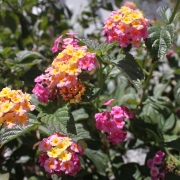
In an effort to not waste a beautiful day, I took a Saturday stroll through beach-side neighborhoods in search of spring blooms and other interesting views.

6 Things to Remember when Hiking to Havasupai

There are times when a suburban surfer needs a change of scenery from the drive-park-pay-surf routine….or even just the general surf routine. Waves are an amazing and hypnotizing force of nature, but sometimes there is a reason to strike outside of the aqua bubble world and explore parts of nature that offer other forms of incredible beauty.

I CONFESS: I’m not only a wave junkie, but also a nature-loving, granola-eating, outdoor FREAK.

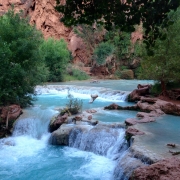
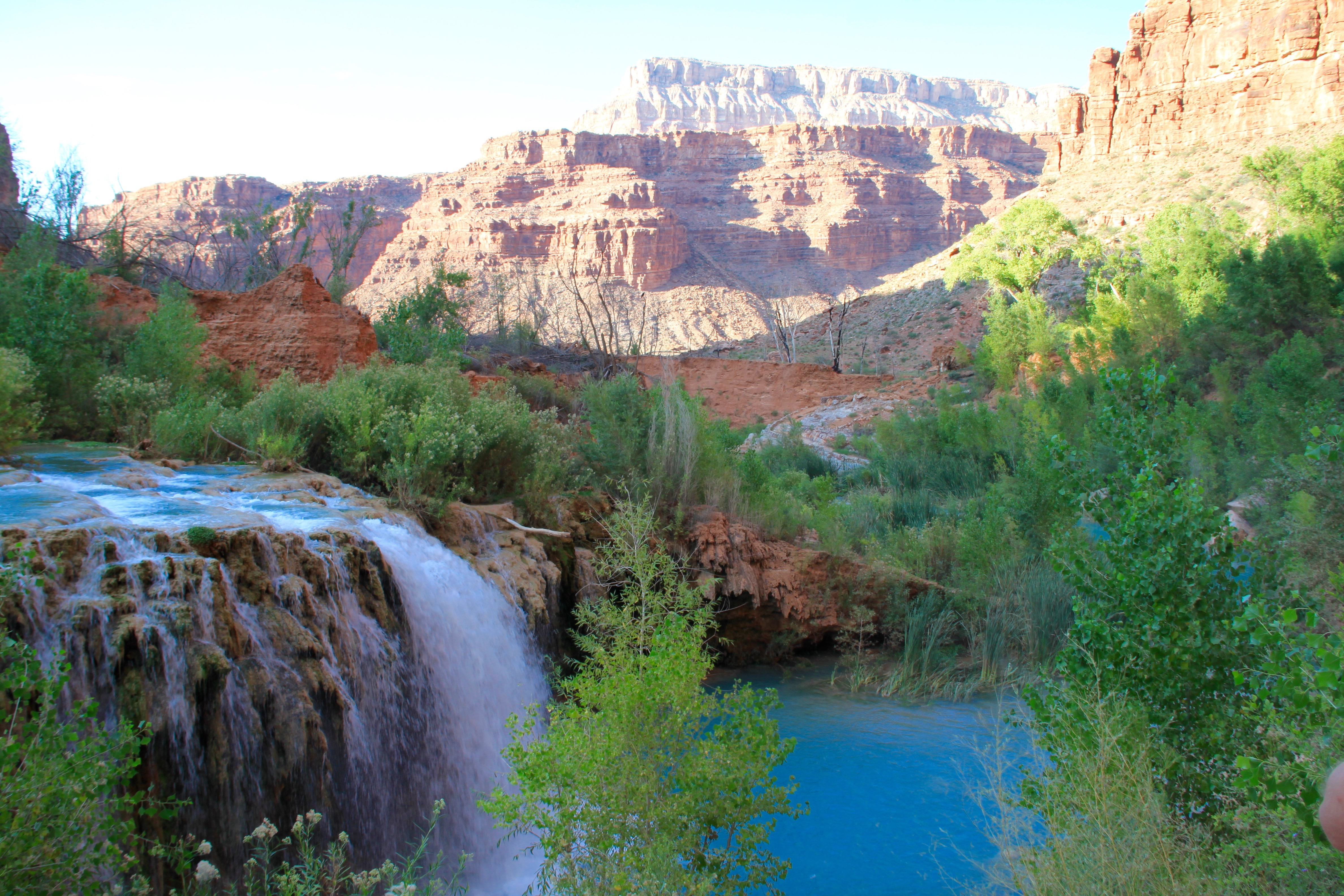
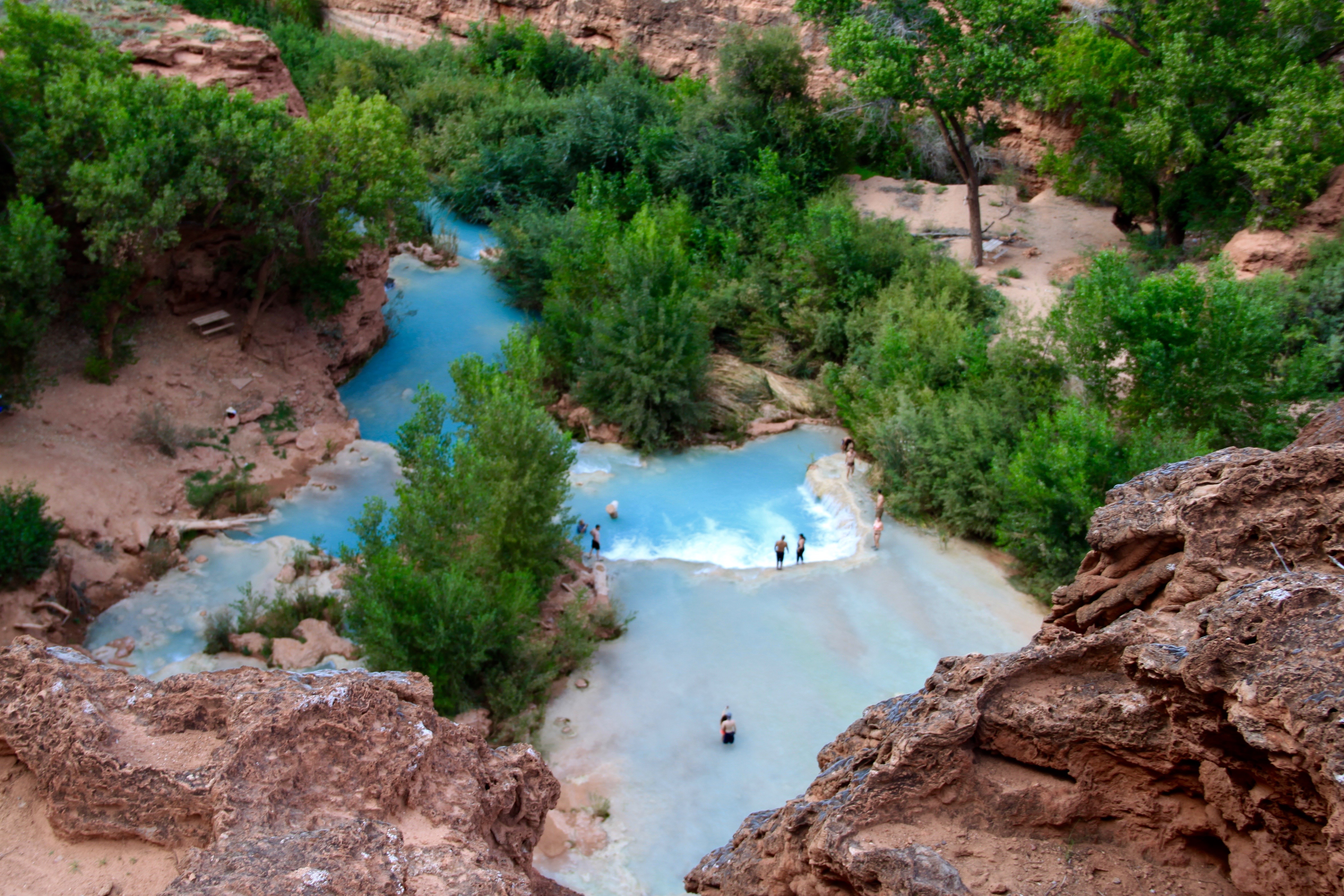
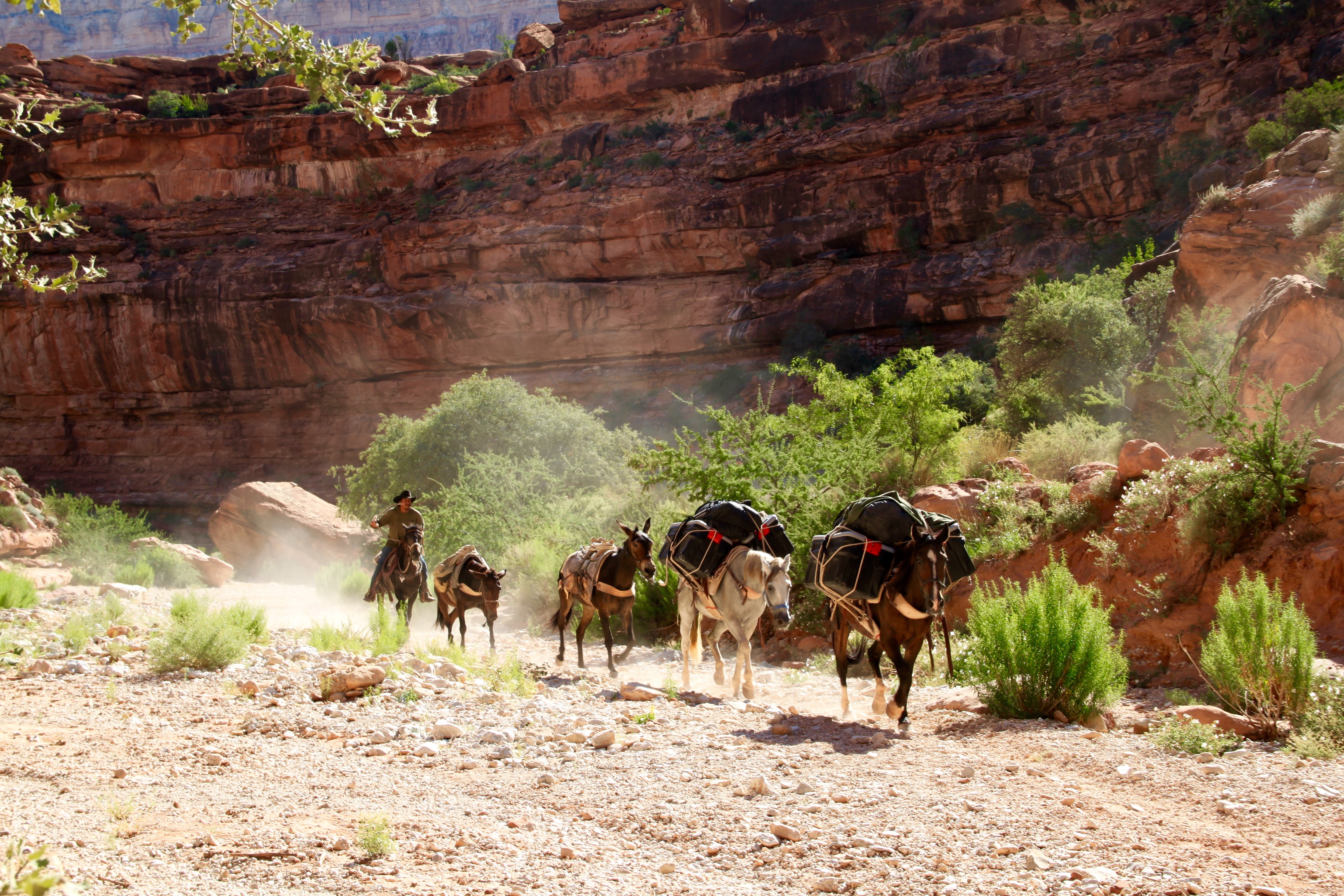
Havasupai–not to be confused with the infamous Lake Havasu–is a Native American reservation located on the north rim of Arizona’s iconic Grand Canyon. The Supai tribe is comprised of over 600 members who have lived in this beautiful canyon area for more than 800 years. The tribe’s name, Havasupai, literally translates to “people of the blue green water.” The opaque blue-green rushing streams along with several picturesque waterfalls attract thousands of visitors each year where the water remains a temperate 70 degrees Fahrenheit and weather conditions, at times, fickle. Take one photo of this place and you will feel like a regular National Geographic photog.

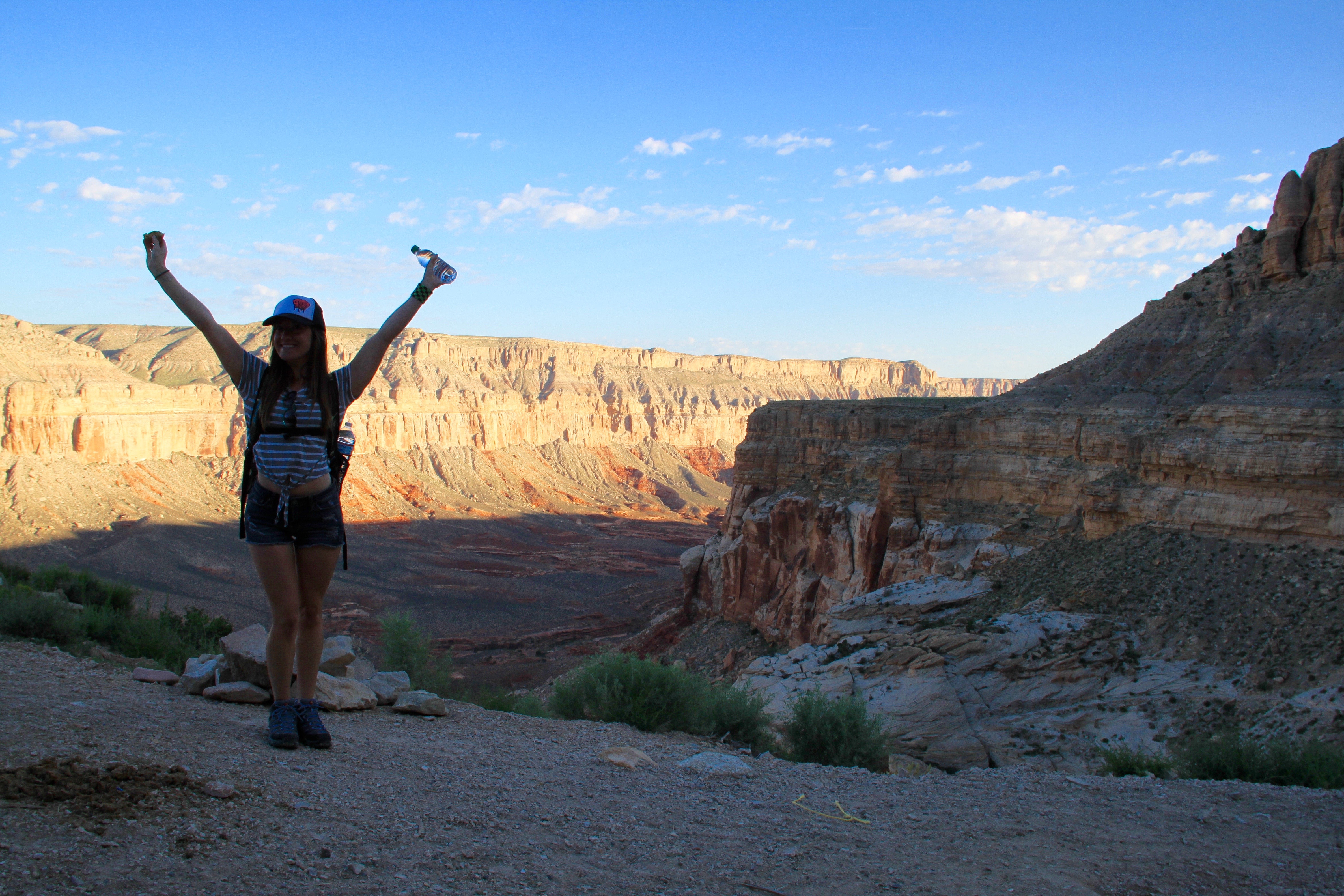
A ten mile hike from the hilltop known as “Hualapai” will get you into some of the most breathtaking scenery and peaceful campgrounds.

Here are some tips to consider:

1.) BRING WATER!

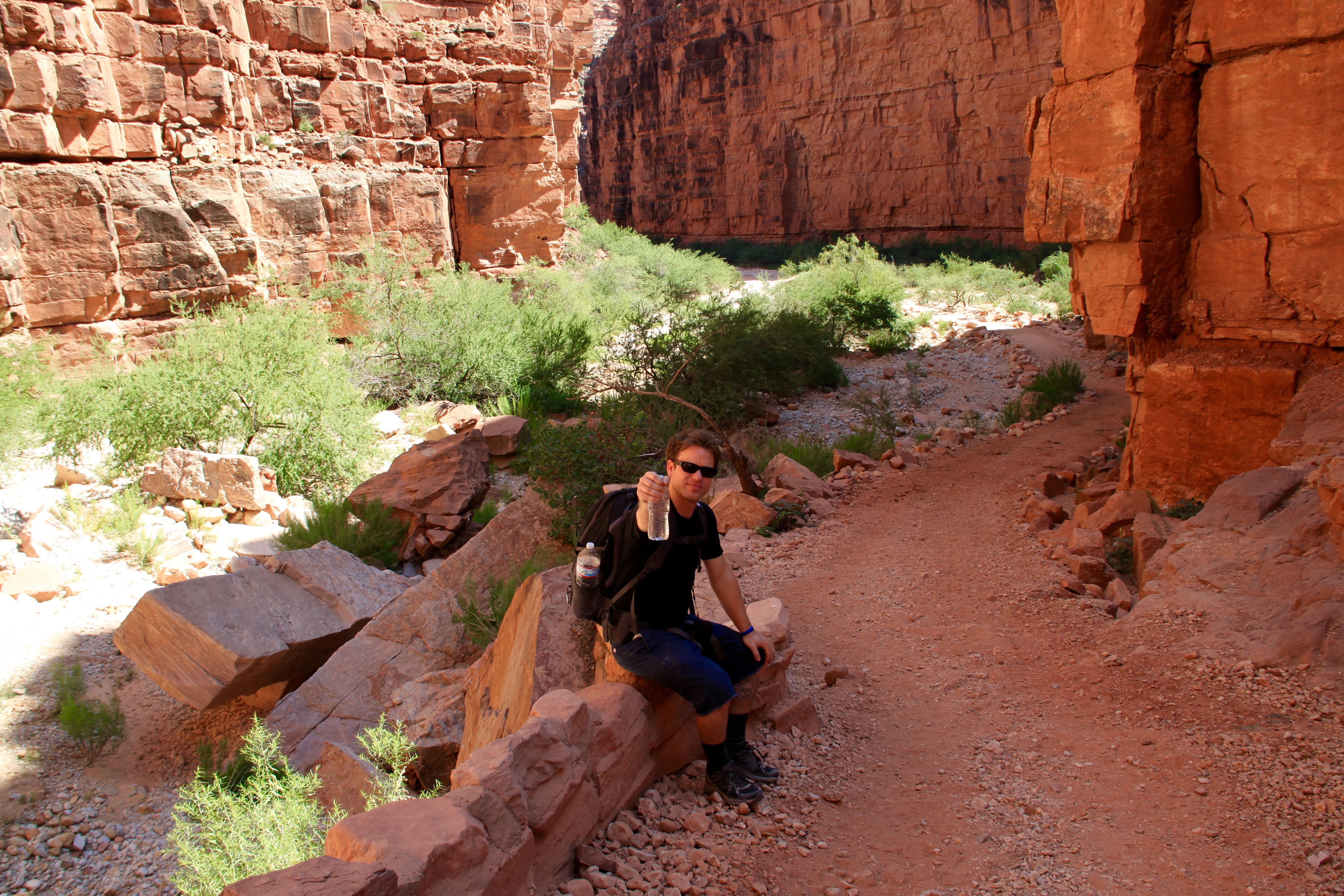
And plenty of it. It may be hot and muggy or cool and crisp, but no matter the atmosphere’s conditions, your body will need some consistent consumption of good old fashioned H2O. One liter of water weighs approximately 2 pounds and you will need at least 2 liters for the 8 mile hike into town. We also carried an extra 16 ounce water bottle each and dedicated it to electrolyte dissolving tablets. This was an immense help, especially on the hike back to the hilltop…and it wasn’t even hot.

Unless you are hiring a mule or have the extra Benjamins for the helicopter ride, you will be carrying everything. With all of my gear (clothes/food/water/toiletries etc.), my pack weighed about 20 pounds. This will drain you, especially if you’re not used to the added weight. The terrain varies from soft sandy riverbed to boulders, which will give your calves an added workout.

Case in point: make sure your body is well hydrated–drink, fool.

2.) BUG REPELLENT and MOSQUITO NETTING!!

I couldn’t emphasize these items more! Unless you are wary of the extreme chemicals in bug sprays or you enjoy being eaten alive in small portions,  invest in some heavy duty bug repellent. Mosquitoes are a-plenty due to the lush vegetation and water supply among many other factors (Google ‘perfumed lotions’ + bugs). They will hunt you down.  If you are camping or sleeping in your car, triple check your mosquito netting application and don’t doubt that these guys will do what it takes to make you their midnight snack.

I discovered sand dollar-sized bumps on my forehead, arms and legs in the middle of the night…eventually, I attempted my best mummy impersonation at 3 a.m. with the mosquito netting.

The only real success? –> Dave smashing the crap out of them against his brand new car ceiling (sorry, sweetie). We lured them towards the dome light while his ninja-like reflexes obliterated their existence.

Teamwork, folks.

3.) CAMERA:

Well, this is a no-brainer! Any will do because no matter what you bring, you’re going to score stare-worthy pictures no matter where you point and shoot. I recommend a camera that is durable, lightweight and possibly water-proof.

There were times where I was a little worried about slipping on the rocks and sacrificing my expensive lens to the river gods, but alas–my surfing skills paid off. ;) If your feet aren’t scratched to oblivion or resemble truck tire tread (thank you, Uppers!), water shoes are a wise investment for this trip. Save your rock dance moves for low tide at Trestles or when you aren’t toting an expensive piece of equipment. (Note to self: invest in water housing…)

If you are a photog snob and simply can’t live without custom settings and controllable shutter speed, your DSLR’s extra weight on the hike will be justified with frame-able photos in the end. There’s a reason why so many photogs are skinny!

Busting out the smart phone? Invest in a water/dust/shock-proof case for your pocketbook and mental sanity. Just know you will have to save the insta, eff book and tweet posts for later.

4.) HIKING SHOES WITH A GOOD GRIP

There are several different types of terrain once you begin your initial hike. Your shoes not only need to be comfortable, but-more importantly-they need to have a good grip. As I mentioned, the ground varies from soft riverbed sand and ankle-deep pebbles to dirt, boulders and, at times, mud. Conversation among your compadres might become quieter as your focus will shift to the ground–literally. The ground conditions can become slippery, especially when you are hiking down into the canyon. Make sure you maintain a focus–nothing sucks more than a twisted ankle–believe me.

If you have the grapes to hike down the semi-treacherous route to Mooney Falls, not only is your shoe’s grip essential, but you also need think “spiderman” with your hands. One false move could result in a serious injury. Be careful–but know the climb (not hike) to this spot is completely worth the sweat.

Oh, and if your feet are on fire by the time you get to town, I highly recommend soaking those doggies in the rushing creek. It provided me with an uncanny cartoon-like relief.

5.) KEEP SPARE CLOTHES IN THE CAR

Before your hiking adventure commences, remember to leave behind a extra set of clothing inside your car for when you return. After trekking the canyon through heat-or possibly rain!- in addition to working up a considerable sweat while hiking the 2,000 foot elevation climb on those killer switchbacks, everything will be soaking in your own broth. In addition to dust and mud stains, the heat might bake this concoction into your clothes. Wonder why you don’t have to pee as much? The proof is all over your clothes! :)

There are no public showers at the hilltop, so avoid this smelly recipe for perma-car stench. Unless you want your car to smell “eau de you,” have spare clothing on hand for the trip home.

At the very least–> clean chonies!

This is a life-saver, especially if you have a long drive ahead of you.


6.) HAVE FUN!

Havasupai is considered sacred land to the Supai people as they share a close connection to the beautiful water that flows through their village. It is important to always show respect as well as enjoy the natural surround. There are tons of opportunity to not only challenge your body physically, but also kick back and mentally unplug. As in all things in life, work-life balance is very necessary. Take the time to relax, unwind and UNPLUG. There’s no phone signal, internet cafe or wifi for miles, so just accept it and go with the flow. Take photos, make friends, smile at the locals, try some fry bread and contemplate what life was like without the almighty Google!

Cool fact: Supai is one of the only towns that receives mail via horseback.

True story, just ask Charlie Chamberlain!

Confessions of an Angeleno

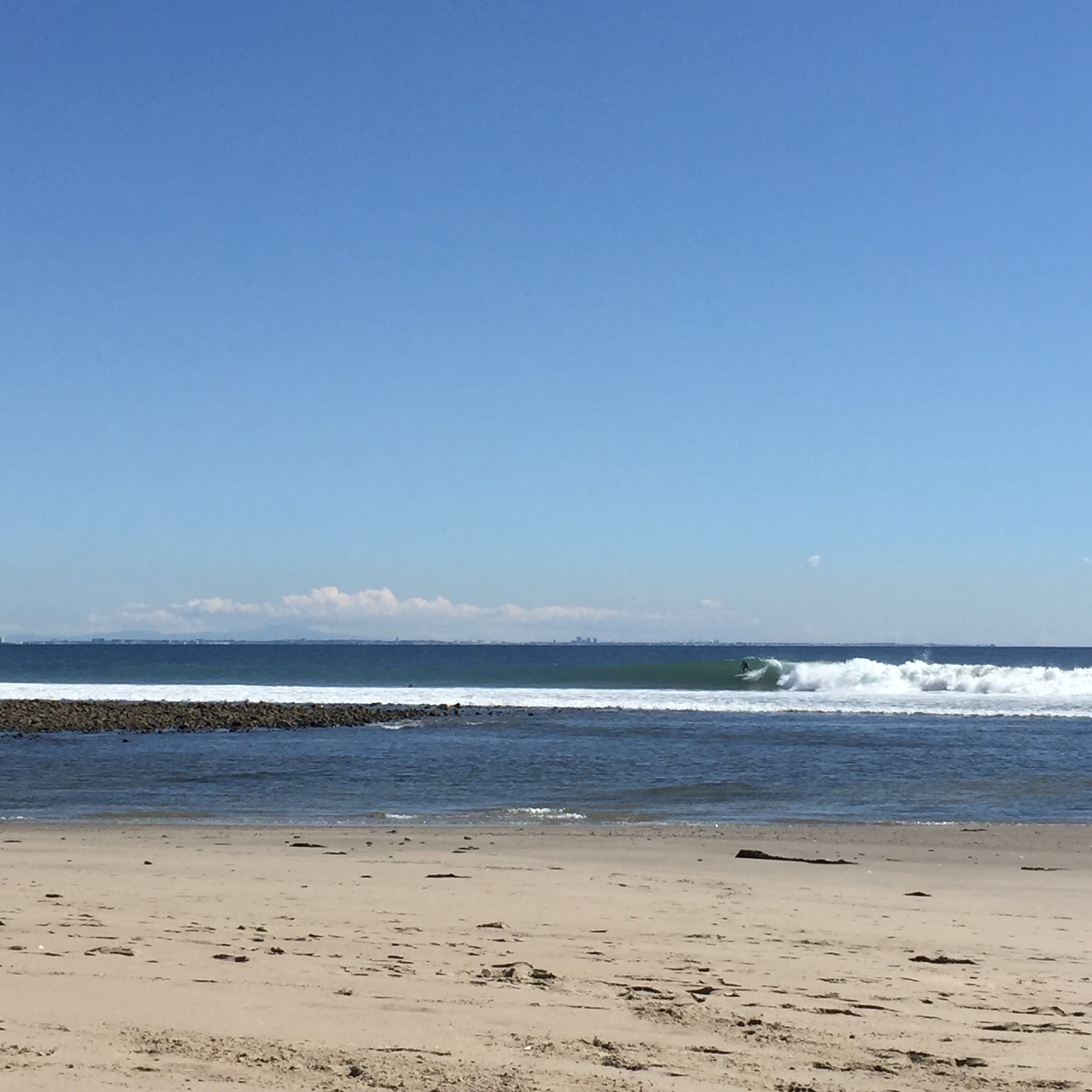
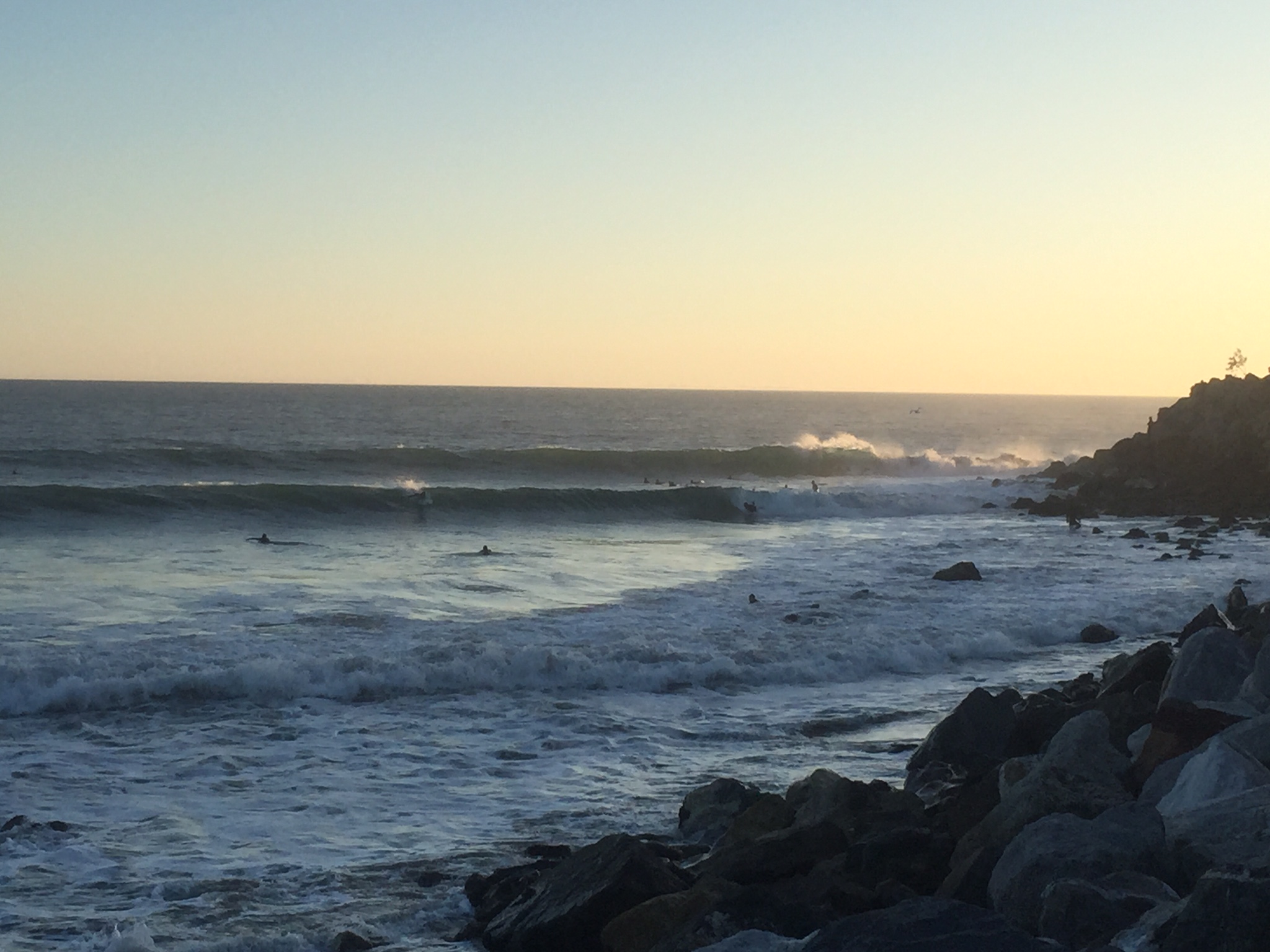
The iconic Malibu-second point during a recent swell.

The iconic Malibu-second point during a recent swell.

Words and Photos By: David “Crappy” Campbell 

The City of Trashy Angels…The Big Smoke that can’t hide it’s big city lights or the fake tits bolted on to even more fake plastic people who’s inflated egos hide smashed dreams. Los Angeles is a one-of-a-kind gem.  Not for everyone, to say the least. You have to possess a certain mindset in this city to deal with some of the bull.

The sometimes amazing surf helps, tho.

The Los Angeles surf scene is very different from Ventura County to it’s north and Orange County to it’s south. It’s rich surf history only rivals Hawaii and Australia’s Gold Coast expelling much of the early surf stardom icons that brought forth a rash of Gidget and Moondoggie wannabe’s.

Love it, hate it, either way,  surely you have some kind of opinion to share, whether asked or not–regardless of your local surf scene knowledge.  You probably have something to say about it. This city isn’t exactly known for being hush-hush.

I CONFESS: I’ve been around a few parts of our small circuit of surf towns across the globe–I’m not gloating, but feel it necessary to lay out a statement: L.A. is actually a nice place for a surfer to live.

If you defend your town, which happens to be Los Angeles, you better be prepared to have your credentials looked over. A dark cloud hovers over the Los Angeles County surf scene when viewed from the eyes’ of strangers. Sure, everyone knows about the famous spots, but it feels like whenever other Californians talk about Los Angeles, they always have some kind of ignorant look on their face. All they know is that it can get good, but it’s crowded as hell and it’s not that consistent.

If you had to use one word that separates L.A. from neighboring Orange County and Ventura, it would be “diversity.”  From the Palos Verdes cliffs and north to County Line–wait, is that a Beach Boys line? It almost is, actually– you can find your hollow A-frame beach breaks, mushy longboard waves, even some select slabs and a very secretive big wave spot. The Big Smoke has something for everyone.

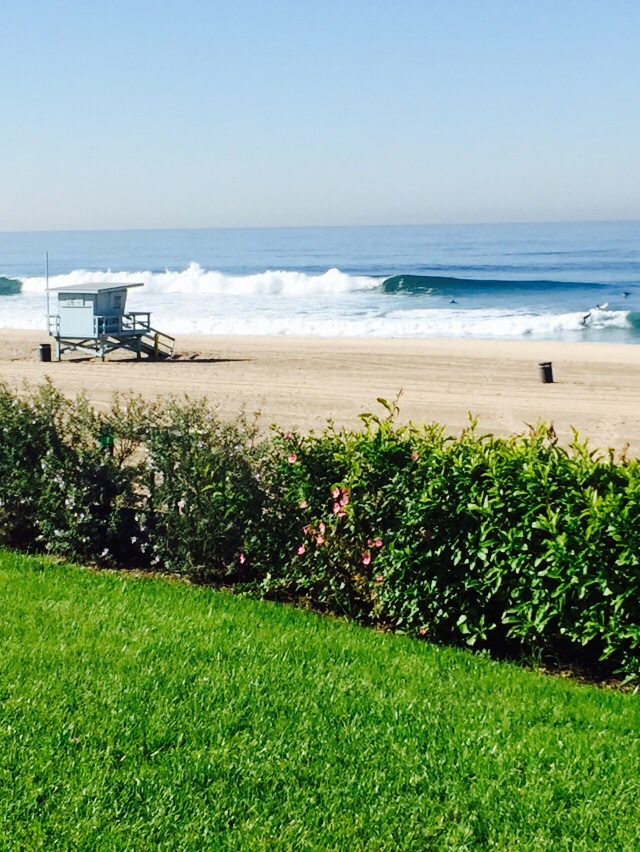
Glassy, clean and not empty.

Glassy, clean and not empty at Manhattan Beach.

That’s right: As in everyone and their red-headed step-cousin from Oklahoma.

Diversity brings some pretty kooky shit to the lineup and it might have something to do with that giant white sign that use to say “Hollywoodland.”  This particular surf culture crosses paths with the affluent Hollywood scene and sometimes that path gets blurred, which has propelled this sport into the mainstream media–some say for better, others say for worse.

Stories of Daniel Tosh regulating line ups…the local crew smashing paparazzi’s cameras while they attempt to troll for Matthew McConaughey…apparently, Rob Lowe sharing his gear from his fully stocked shed.

The L.A. surf scene is more than often a ZOO, especially in the summer. A giant zoo fuckfest, actually.  But you gotta do your homework here, put in your time, have the right mindset, right amount of free time and a good set of wheels.  Doesn’t hurt to have  some friends, the right friends. Not A-list or D-list friends, but the kind  that follow sand and are willing to share their personal surf reports with you as opposed to five thousand of their closest friends on Instagram.

You like right points and boardshorts? Summer time in North L.A. has that for you.  You like big hollow kegs? Look up some YouTube videos of Alex Gray surfing the South Bay last fall.  The obvious variables (weather, tide, swell angle) offer all types of waves which is the key to this abundant and vibrant surf scene.

Ever hung around L.A. on Christmas Day? Looks like the set of a zombie apocalypse film minus our flesh-craving buddies. Empty parking lots, no one around, no traffic…it’s fantastically amazing! A ghost town of grand proportions!

Traffic is the real big mother of L.A. and can be the deciding factor for your sunset session. Everyone knows traffic is the work of the devil and represents everything that is soulless. Everyone loves to complain about it, too. My advice? Get over it, shut up and figure it out. Get your routes down.  Plan accordingly. You wanna go east on the ten after 7 a.m.–Are you out of your freakin’ mind? Even when I get caught up in gridlock, I always like to take Dillion Perrilo’s advice on traffic, as said in a recent interview:

“Just realize that you are the traffic.”

Whoa, pretty deep there Dillion, but spot on.

So minus the traffic shit show, you got swells from both directions at different times of the year.

During the winter, head towards South Bay and find your sandbar, or go north. Oxnard and Ventura are easy drives and you can find empty peaks, if you know where to look. In the Summertime, you have the sweet points of Malibu and 27 miles of coastline options. The obvious ones are Topanga, the ‘Bu and County Line, (not gonna offer anything more than that).  With well-known spots comes a fun crowd, which is why Angelenos hold their cards so closely to their chest. And the crowds here can get real interesting.

A great spot called 'None of your business.'

A great spot called ‘None of your business.’

Seen some heavy shit here. Someone got the barrel of a lifetime and was about to make a clean exit into glory, but upon a lovely exit, someone else thought that wave was actually THEIR wave of the day. The drop-in game was strong with this barney as homeboy deep in tube gets crushed by said barney directly on top of the head. It was disgusting enough for everyone to wanna exit the water in shame.  Or how about the stories of people getting cut off at Topanga? When they raise their voice against this injustice, instead of getting an apology, they get a good slapping. As your surfing ability progresses, crowd navigation becomes a major part of your routine.  L.A. kicks it up a notch by constantly testing your patience.

If you don’t follow @kook_of_the_day on Instagram, stop reading this right now and make that follow.  Most of those posts come from somewhere in Los Angeles as well as Main Street in Huntington Beach. Kooky people are plentiful and L.A. county has about 10 million options among it’s dudes and dudettes hanging around. It seems they all wanna surf right where you wanna surf, or at least get in your way while you surf.

The surf world is expanding and crowds are just another factor you have to deal with. Do your homework, follow swell directions, follow the sand and you can score L.A.’s fun waves with minimal folk.  It’s not as simple as parking your car and walking out to T-street. Surfing and city life is a hassle at times and you will get frustrated. But nothing worthwhile in life comes easy, just ask any intern on a Hollywood film set.

Crappy Campbell confesses...

Crappy Campbell confesses…

David Campbell lives in Los Angeles, is a surfer, world traveler and an old pal. Also known as “Crappy Campbell,” he is regular contributor for  Australia’s Surfing Life Magazine.

The ‘Oh Shit’ Files-Vol. 2: Hurricane Norbert

Storm patterns have turned my weekends into glorious photo bliss coupled with daily surfaris up the coast. A few weeks ago, Hurricane Norbert graced our coastline with waves aplenty and warm water temps that I will surely be dreaming about six months from now. The category 3 hurricane veered up the baja coast and onto the inland southwestern region of the U.S. and delivered a much-needed dose of rain …now if only he swung a little more west, California’s serious drought problem might have been temporarily staved.

Save that water people!!

Until then, my journey plopped me in front of Newport’s finest carnage-inducing break: Wedge. Whether you surf, sponge or skin it at Orange County’s premier balls-to-the-wall sandbar slab, Wedge will do more than ‘kick your ass.’ It will turn you inside out, grind you in sand and spit whats left of you out onto the shoreline.

It might be wise to seek some sage advice from a seasoned pro or local before setting a toe in the water. I wonder who would be considered Wedge’s ‘Turtle’….brah….or would that be ‘bro’…?

Either way at Wedge,“…you’re gonna get drilled.”

Boys will be Boys: Six Tips for Surfer Girls Traveling with Surfer Boys

It’s common knowledge that the mass majority of surfers in the lineup are guys. Okay ladies, let’s face it: the likelihood of an all-girls surf trip to Mexico is pretty slim. Don’t get me wrong, I’ve traveled to Mexico by myself, survived and loved it, however, not many of my surfer girlfriends are as eager to hop the border and rough it to find perfect un-crowded waves. Call me ‘crazy’ for going to Mexico by myself on my first excursion, call me ‘insane’ for the second trip with a bunch of boys. I don’t care. My end results were fun times with no regrets.

Testosterone is everywhere on a guys trip and every once in a while, they might think you’re cool enough to include in their boys club, but I don’t blame you if you re-consider and decide to wait until Mexico’s drug war has ended and kidnappings are at an all-time low.
But if you’re as impatient as I was and pale at the thought of empty points breaking without you, here are few tips about traveling with the boys:

1.) Let them be Boys
You are on this trip to surf and surf some more. They are on this trip to do the same along with all the beer guzzling contests, dirty jokes, burps and farts intact. Deal with it. Bodily functions are a-plenty, so if you have a weak stomach, perhaps you shouldn’t have gone on this trip. Bring a nose plug.

2.) Bring a good book or a pair of headphones.

Get ready for hair metal mixes, mass drunken sing-a-longs to a garden variety of rap songs, dirty jokes you didn’t know existed and fart smells that will fry your nose hair. Think I’m kidding? Think again, chica. But don’t be bitter, this is a boy’s trip and you’re, well, the minority. It doesn’t hurt to occasionally force-feed a little Cyndie Lauper down their throats, either. You would be surprised by the music middle ground you can reach with a group of guys. Who knows? There might be a closet Taylor Swift fan among the group.
But there are times when those dirty jokes or fart noises can get out of hand. Tired of hearing Metallica’s ‘Creeping Death’ for the 10 millionth time? Remember to come prepared with your head gear equipped with your favorite tunes.

3.) Know Your Limits and Plan Back-Up Activities
If you don’t want to stay up for that third keg of beer or you’d rather not surf the spot swarming with seals, let your guy friends be their gnarly testosterone selves. Go for a hike, surf a different spot or take some ‘you’ time. After all, traveling with all boys might make you forget that you are, in fact, a girl. Celebrate all that is feminine while they hunt for bone-crushing barrels that break in inch-deep water. But if you can hang, go for it! You will only command more respect among the Y-chromosomed. Just try not to emasculate them in the process. But, know your own limits so they don’t have to cut the trip short due to your cute cocky self scoring a broken limb or head injury instead of a sick drainer.

4.) Stroke Their, um, Ego
Despite the over-stated machismo image stereotyped for surfer boys, there is a secret sensitive Sally whose feelings and ego can get hurt. Guys aren’t made of stone, so always stay positive and patient. Make them feel good about their attempt at breakfast or their supposed ‘sense of direction.’ Most of all, compliment their waves. Whether they’re ripping or taking dives over the falls, find something good about that ride. A little ‘yeeww’ goes a long way.

5.) Why Can’t We Be Friends?
If you intend to hook up with one of the guys, stay home. Putting that dynamic into the mix can add an awkward vibe to the trip and tends to create jealousy or resentment among fellow compadres. Be cool and try not to cloud a male bonding experience with your cute, um, assets. Keep your pants on. If sparks fly, try to wait until you’re in familiar territory. Besides, I bet he will respect you that much more if you play a little hard-to-get and show him that he’s not the center of your universe…for now.

6.) Laugh
Perhaps the most important point of all: laughter is key. Yeah, boys can be gross, smelly and downright annoying, but really, just laugh. Don’t deny it, your inner tomboy busted with laughter when your buddy chugged four Tecates then proudly belched his A-B-C’s. Unless you’re sitting in the U.S./Mexico border traffic, the ipod’s gone stale and your buddy continues to drink until he unwittingly trades his passport for more tequila which consequently shoves you’re crew into the secondary line, let it fly. Besides, I’m guessing if you’ve made it to the end of this article, you probably aren’t 100 percent girly-girl, anyway. Ain’t no smirking and mouthing ‘what an idiot’ to a home girl who’s not there! Laugh it off.

Just a Quickie to Mexico

South-bound feels so good to hashtag…post…Tweet…or vocalize…whatever your communication fancy, tell it to the world, be stoked and unplug, if only for a day.

A couple of friends and I crossed the U.S./Mexico border for a couple of days and had the time of our lives, san distractions. Some times it is SO necessary to shut off the noise from everyday life and seek out another adventure that’s beyond a desk, phone or face-to-face.

Mexico’s great for that.

I CONFESS: I’ve got that old familiar itch and I intend to scratch it.


Good friends=Good times

Good friends=Good times


How to Make the Best Coconut Smoothie

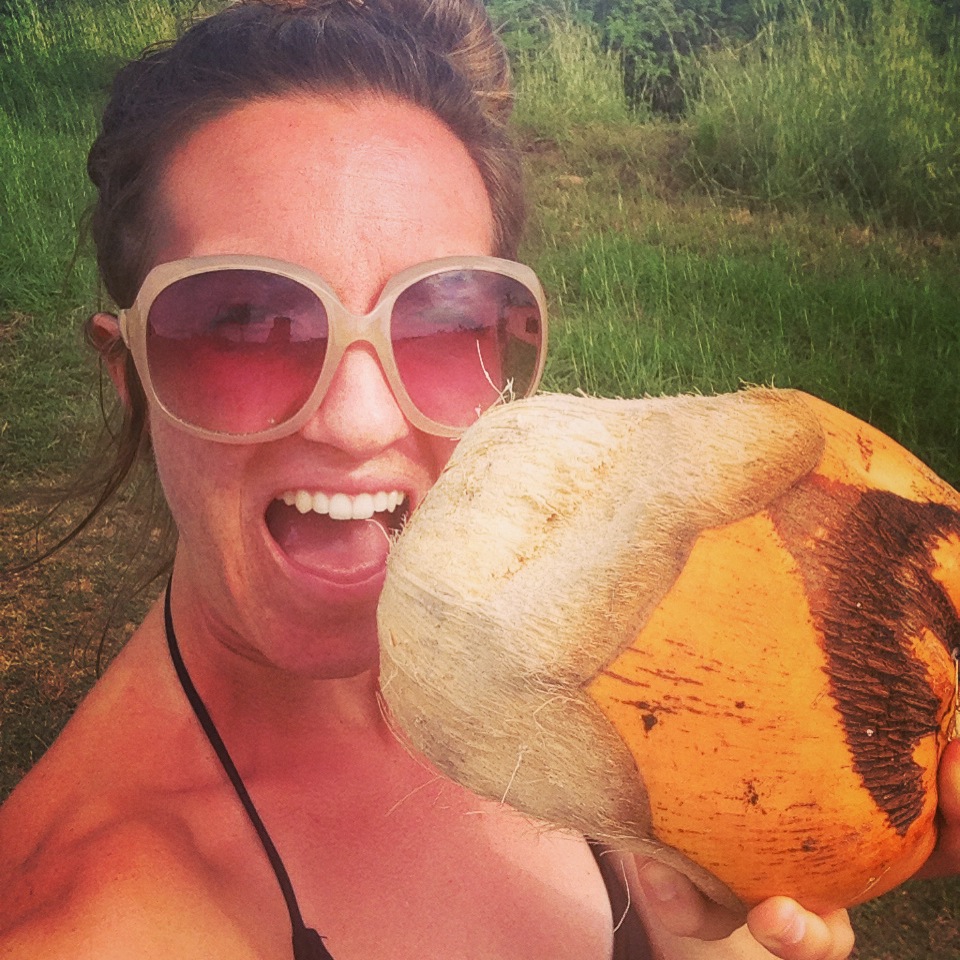
Going a bit coco-nuts

Going a bit coco-nuts

If you follow me on any social media, you know I’ve gone a little coco-nuts with my recent obsession with cocos. If one thing was consistent about my experience in Nicaragua, it was this:

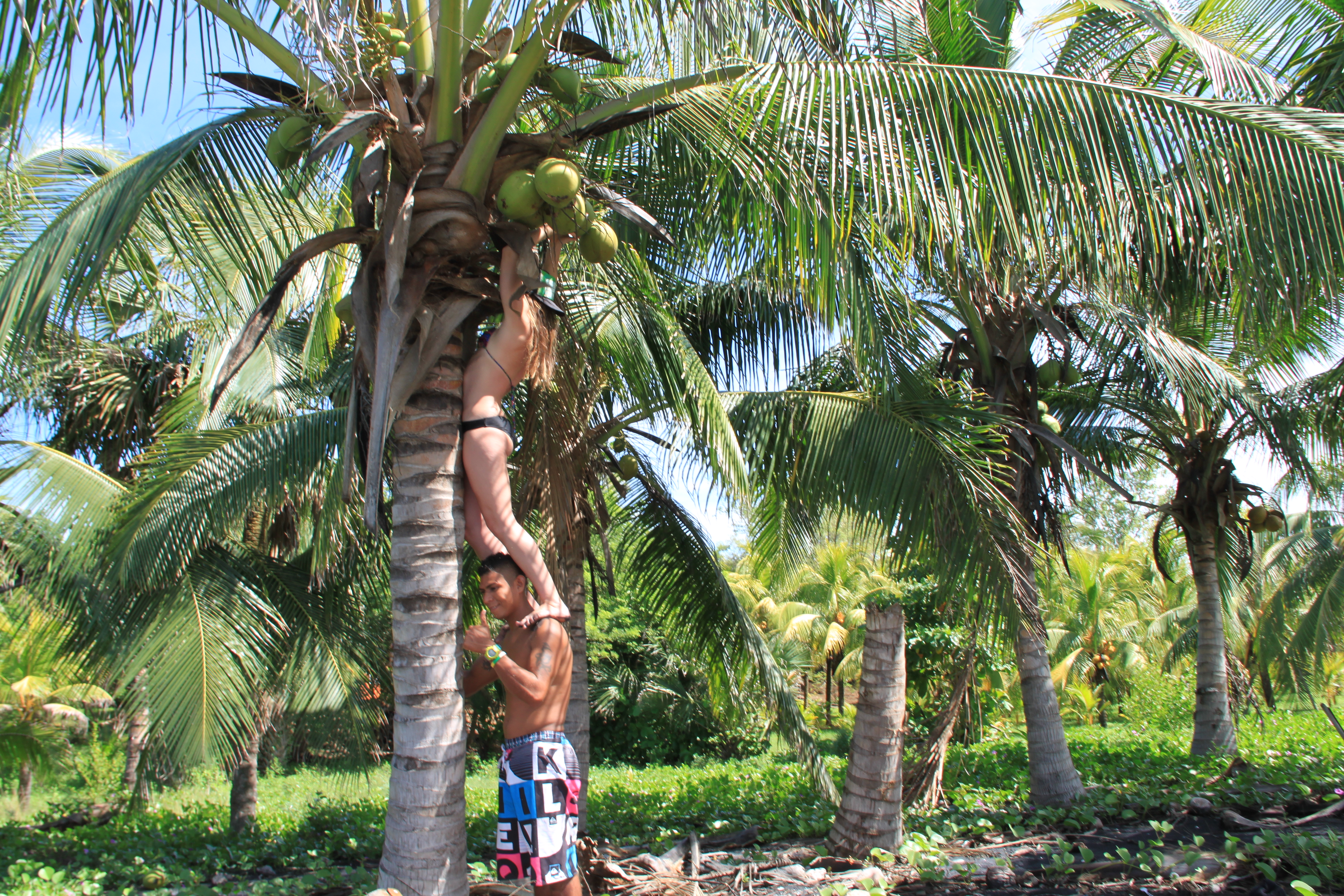
Every morning my friend Katie would wake up at the crack of dawn to pry into one or two freshly picked young coconuts to create the most energy-inducing smoothie for our pre or post-surf sessions. For daily three-to-five hour surf sessions, this drink proved to be beneficial and never left us feeling hungry.

When our trip came to an end, Katie inspired me to take a crack at coconuts at home. So instead of caffeine with a standard breakfast,  I’ve been trying this smoothie every morning.

This ain't Jamba Juice

This ain’t Jamba Juice

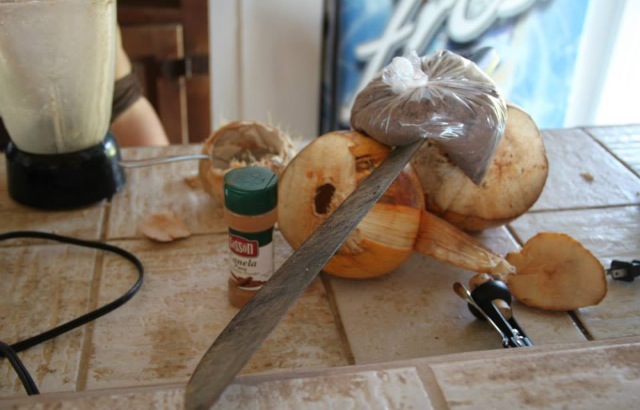
I CONFESS…I don’t use a machete to crack open my cocos, so I would like to caution anyone who decides to crack open a coconut for their first time. If you must use a fresh coconut, don’t jeopardize your digits and other appendages by whacking the coco with an 18-inch machete blade. Your fingers are more valuable than the 8-to-10 ounces of water and meat inside the coco. Be safe and use other tools to get into that coco. I use a large knife to shave off the top and a flat head screwdriver and meat tenderizer to break into the coco. *Many thanks goes out to my roommates who get to hear the incessant hammering :)*

Or you can simply purchase the water!

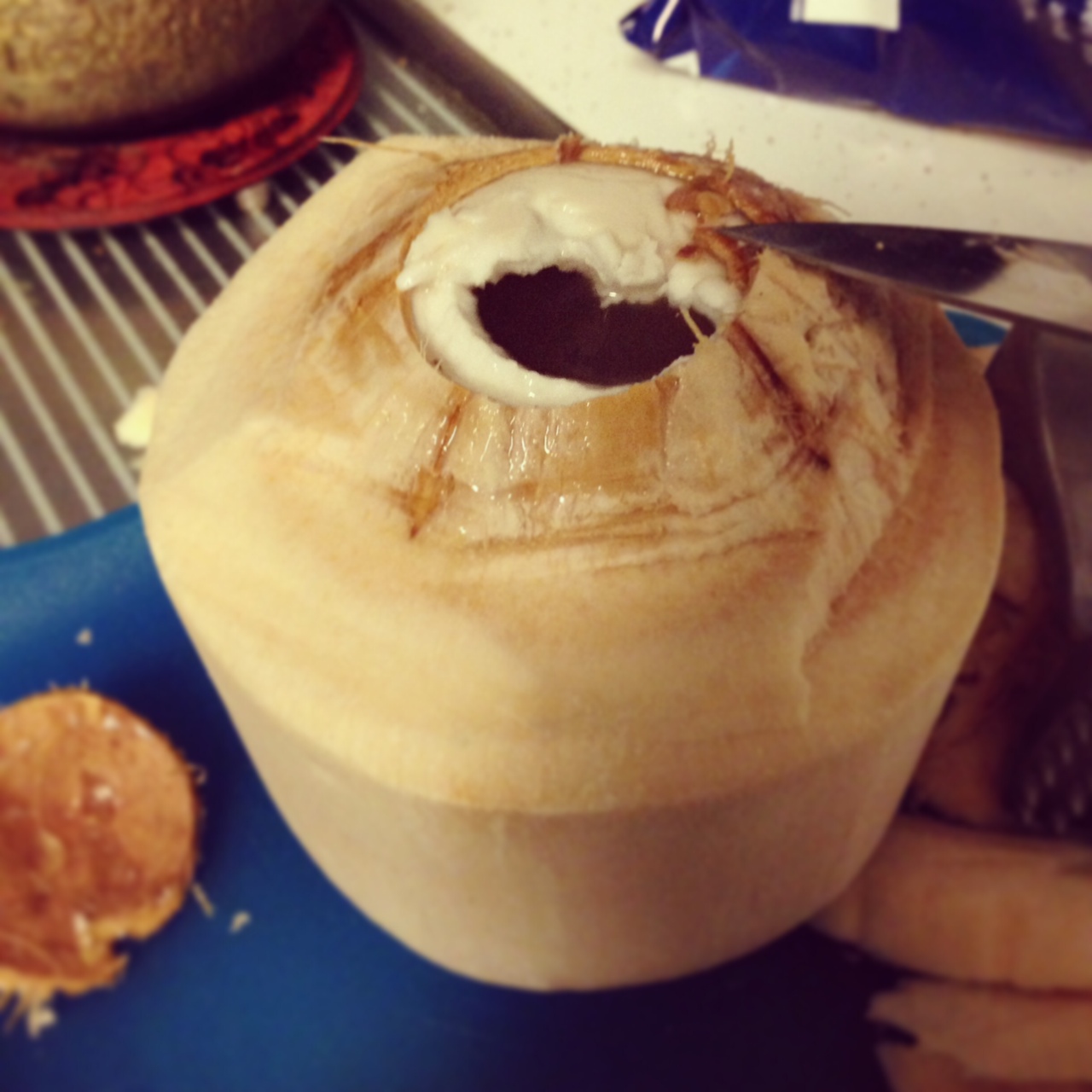
It cracked open nice and neat.

It cracked open nice and neat.

For this recipe, we will stick with the basic store-bought coconut water:

Ingredients:

  • 8 ounces coconut water
  • 2-3 tablespoons of cacao powder (not to be confused with coco powder-unlike coco, this product does not contain any sugar)
  • 2-3 pitted medjool dates (the meat from these dates is thicker than other dates)
  • 1/2 banana
  • 2-3 ounces coconut meat
  • 1/2 teaspoon cinnamon

*Serving size: 1*

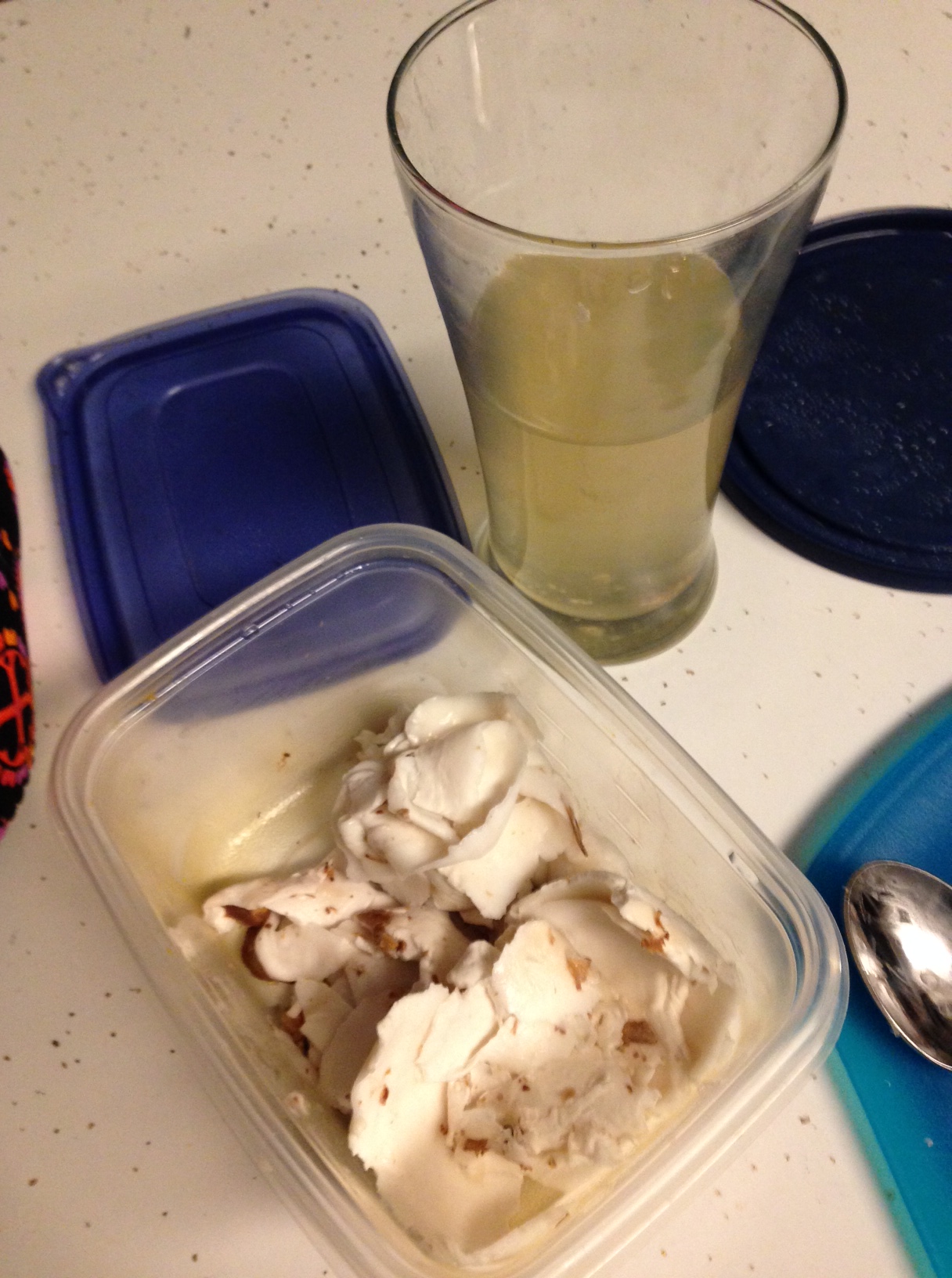
What you might get from one young coconut

What you might get from one young coconut

Directions:

Blend all of the ingredients together in your licuadora (blender) and drink immediately! You won’t be disappointed. :)  In this recipe, it is best to use a young coconut because there is more water inside and the meat is less fatty. Experiment with other ingredients, too! Add some flax seed or maybe your favorite protein powder! Spinach can make your smoothie creamier, not to mention packed full of iron. Berries are tasty, too. I threw in some papaya and it made my smoothie super creamy! Whatever your palate wants, give it a try! My friend created a gingerbread coconut smoothie from fresh ginger and coconuts. I hope I get to try it! :)

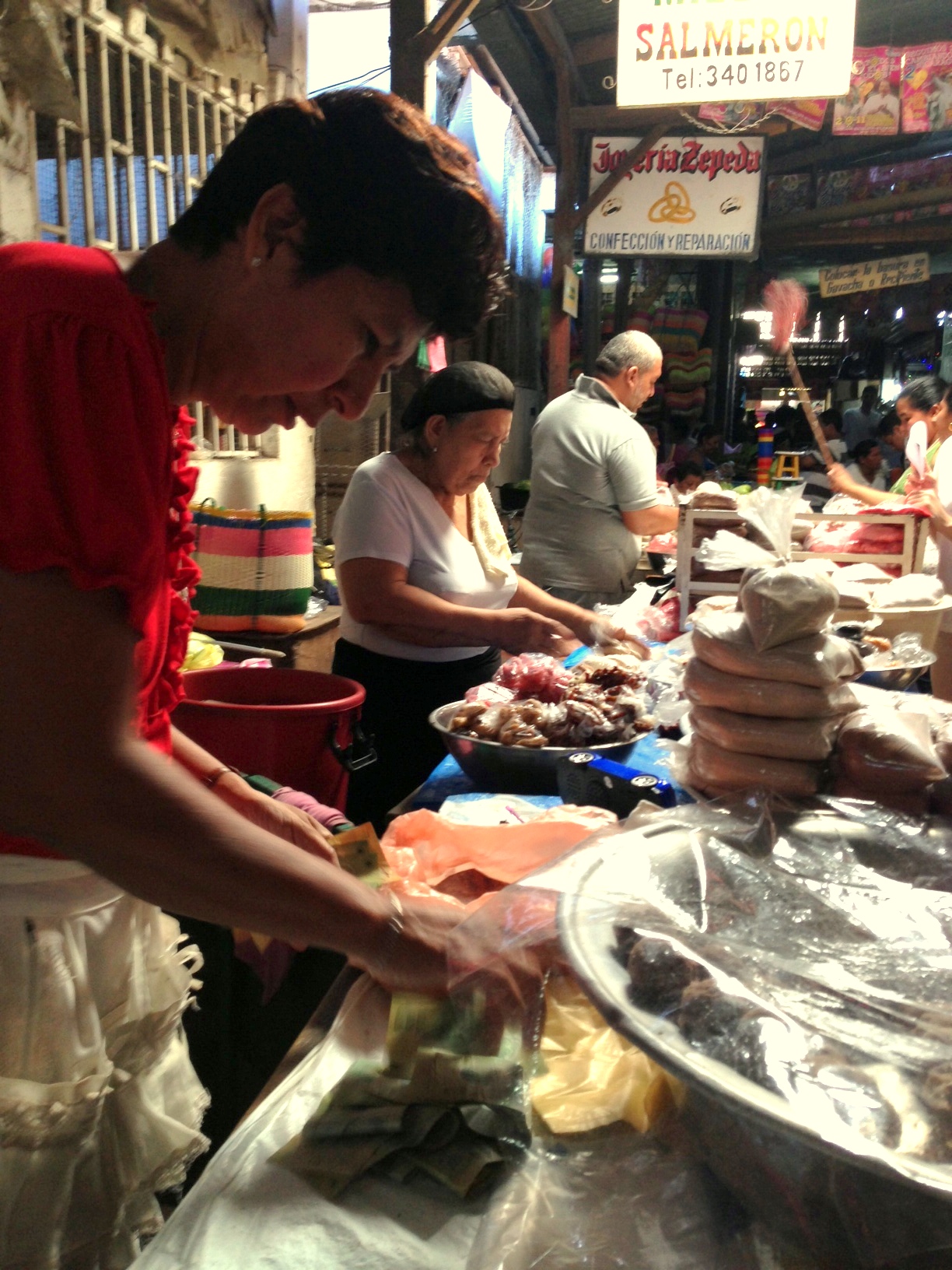
I bought freshly pressed cacao powder in Chinandega, Nicaragua.

I bought freshly pressed cacao powder in Chinandega, Nicaragua.

Some info on coconuts: According to the Library of Congress, the coconut is loosely considered to be a fruit, a nut and seed, although it is formally considered a ‘drupe’ to botany freaks. A drupe is a fruit with a hard stony covering that encapsulates a seed. Drupes often have three layers and come in forms like avocados, peaches, pistachios and coffee beans.

Coconuts are also packed with protein, they have more potassium than a banana and contain tons of electrolytes and healthy fats–an overall amazing combination for surf fiends, like yours truly. However, if you are going for broke on your workout or surf sesh, do not solely rely on coconut water, as it does not contain much of the necessary mineral sodium that you loose when you sweat.

For me, I never felt fatigued after surfing my brains out…Coconuts or bust!!

After I got back to the states, my Christmas list went a little something like this:

1.) Machete or big knife

2.) Swiss Army Knife

3.) Hammer and nails

4.) Water Purifier

…you get the idea. My dad’s response:

“So you want a treasure map, too?”

Only if it leads to perfect waves and coconuts, dad. ;)

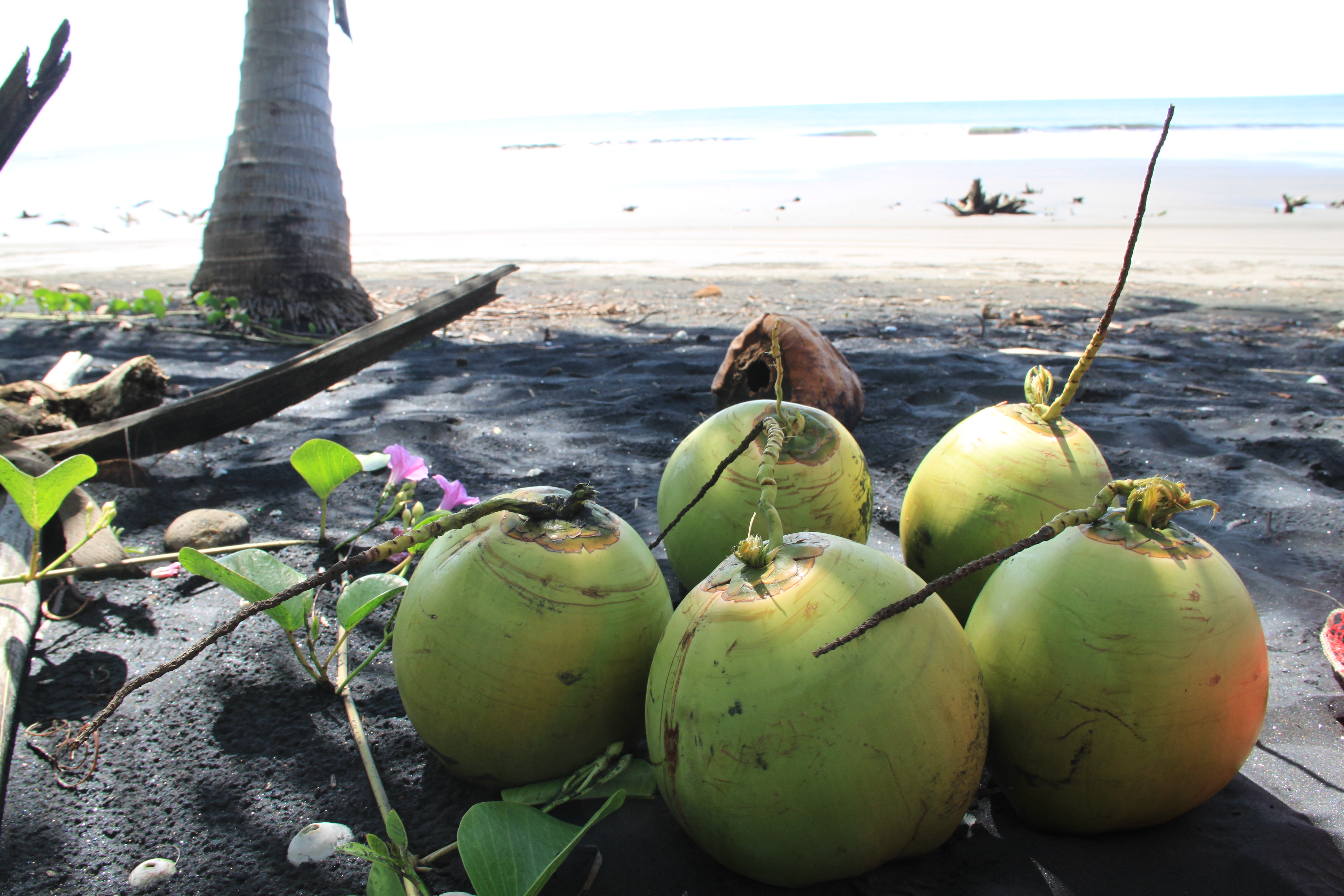
Young cocos await their fate on a black sand beach in Nicaragua.

Young cocos await their fate on a black sand beach in Nicaragua.

Surf Speak in Spanish

It's times like these where communication is key...not to mention super fun!

It’s times like these where communication is key…not to mention super fun!

On my recent trip to Nicaragua, I found myself socializing with nothing but spanish-speaking locals. I was so stoked  because mi español became muy mejor and by the end of my week-long trip, I was helping my friends translate. There’s nothing like submerging yourself!

Cinco cocos verde.

Cinco cocos verde.

Daydreams of those perfect warm water barrels should include a little español because once you get down there, not only does everyone talk nothing but Spanish, but many people also might not understand much (if any!) English. Therefore: es muy importante para practicar su español!

I CONFESS: My practice did not begin until I was reading the safety guide while my flight rolled down the runway. The first thing I picked up really quick: this ain’t Mexico…people talk very fast! Time to buck up.

So while you continue to get shacked in your dreams, insert a little Spanish speak so reality won’t hit you like a ton of bricks being laid out for that awesome language barrier.

“Me gusta tubos en Nicaragua!”

Ok, snap out of the barrel/bikini/hot salsa dancing scene for a second and float back down to reality: no matter which Spanish-speaking country you decide to trip-it to, bring a Spanish-English dictionary. I don’t care how many apps you download onto your smartphone, you need a book. Other than draining your battery, apps tend to require a wifi signal and although most places might have a signal, it won’t be there all the time and readily available.

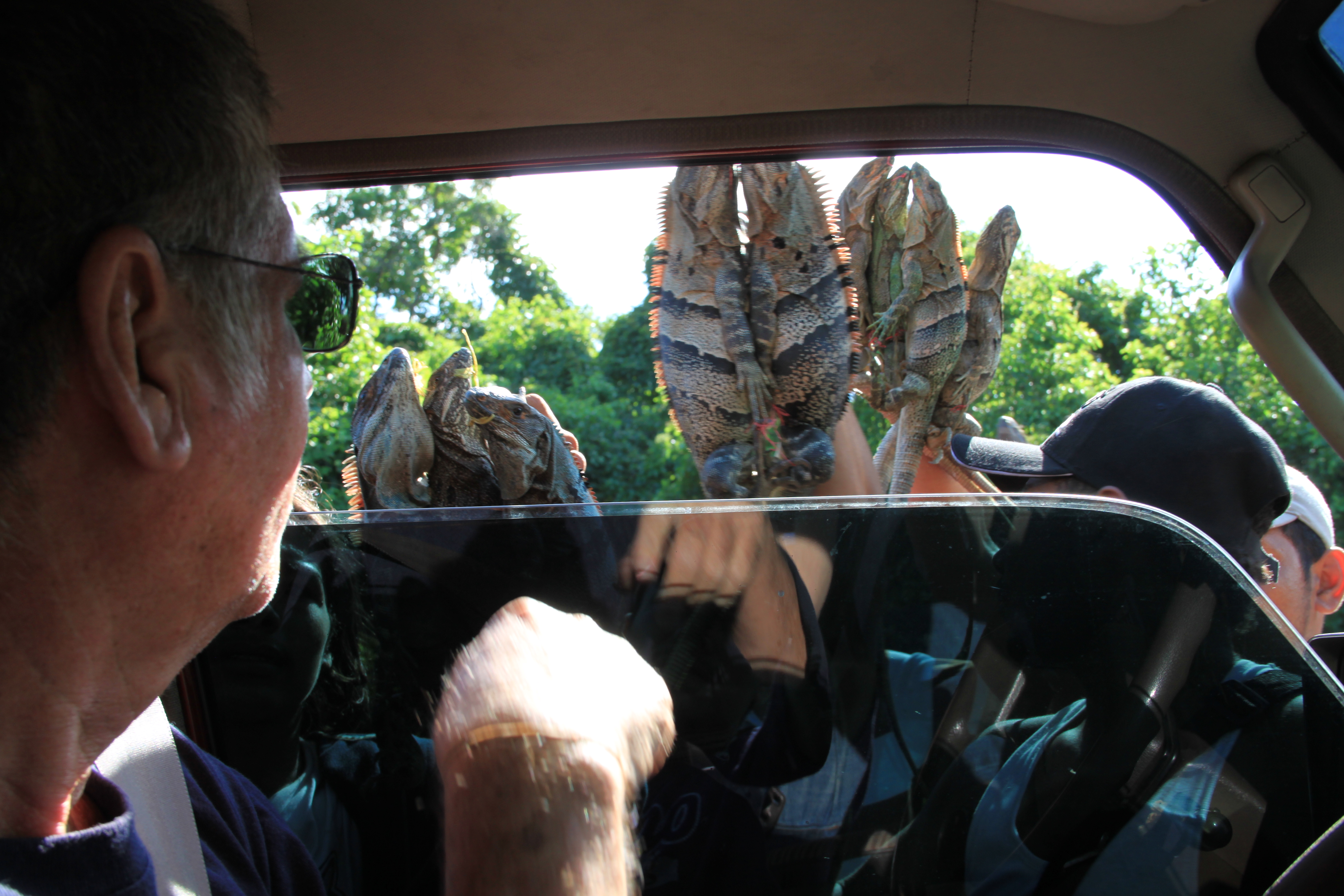
Iguana on a stick! Julio negotiates dinner options: green or black iguana?

Iguana on a stick! Julio negotiates dinner options: green or black iguana?

 Diccionarios are a cheaper safer route and won’t cost a pretty penny if it gets ruined. If your dictionary gets wet, simply lay it out in the hot sun and presto! It’s still readable. Iphone gets wet? That’s a $600 bummer.

So for you traveling surfers, assuming you made it beyond the aeropuerto and have reached your calle to an undisclosed locale, consider these words before paddling out to any pico:

Surfing (verb): ….Surfeo or Surf

Beach: ……………..La Playa

Surfboard: ………….La Tabla

Pico

Pico

Ocean (noun): …..Mar
Water: ……………..Agua
High Tide: ……….Marea Alta
Low Tide: ……….Marea Baja
Small waves: ….Pequeñas olas
Big waves: …….Grandes olas
Tubes or Barrels:…………….Tubos
Rocks: ………….Rocas
Cow:………………Vaca
Horse:…………….Caballo
Chicken:…………Pollo
Sting Ray: …….Pastinaca
Jellyfish: ………Medusa
Fish: ……………Pescado
Shark: ………..Tiburón
Boat: ………….Barco
Sand: ………..Arena
Wind: ……….Viento
Rain: ………..Lluvia
Sun: ………..Sol
Hot: ………..Caliente
Cold: ………Frío
Right: ……..Derecho
Left: ……….Izquierda
Island: ……Isla
Secret:…..Secreto
Puesta del sol

Puesta del sol

Paddle (verb): ……..Chapotear
Strong (strength): …Fuerte
Strong (force): …….Fuerza
Happy: ……………..Feliz
Sad: …………………Triste
Tired: ………………Cansado/a
Fun: ……………….Divertido/a
Today: …………..Hoy
Tomorrow: …….Mañana
Tonight: ……….Esta Noche
Late: ………….Tarde
Near, close to: ..Cerca
Far: ……………….Lejos
Fast: ……………..Rápido
Slow: ……………Lento
Point: …………..Punta
Reef: ………….Arrecife
Shallow: …….Poco Profundo
Deep: ………Profundo
Beer: ………Cerveza
Wine: ………Vino
Food: ……..Comida
Moto:……..Motorbike
"Arena"

“Arena”

Common phrases:
“How are you doing?” ¿Cómo está? ¿Qué tal?
“Please.” Por favor.
“Thank you.” Gracias.
“I want to go surfing.” Quiero ir a hacer surf.
“I would like to go surfing.” Me gustria hacer surf.
“Where are the rocks?” ¿Dónde están las rocas?
“The wind is strong today!” El viento es fuerte hoy.
“Do you want this wave?” ¿Qué quiere esta ola?
“I’m so hungry/thirsty!” Tengo hambre/sed!
“Where is the beach?” ¿Donde esta la playa?
“Where is the road?” ¿Dónde está el camino?
“Where is my dictionary?” ¿Dónde está mi diccionario?
“I want to learn to speak Spanish.” Quiero aprender a hablar español.
“I am having so much fun!” Estoy teniendo tan divertido!
“I was too late.” Llegué tarde.
“The waves are good today!” Las olas son buenas hoy.
The sweetest gato ever!

The sweetest gato ever!

 I hope this lista helps you! Remember to always bring your surf etiquette, too! Despite your attempts at Spanish, your actions will ALWAYS speak louder than your words. The locals know it, too. Be nice.
Buena suerte, amigos!